

How Do Top DTC Brands Stand Out In A Crowded Market? AI-Powered Testing.
Picture this — you have two DTC brands that sell very similar merchandise. Let’s go with moderately priced activewear.
One brand rolls out new creative ideas every month, tests rapidly, and kills what doesn’t work. The other brand? Their marketers feel stuck. They see a campaign that underperforms, mulls over the why for weeks, and is often behind the curve.
In today’s market, the first wins. And it’s because testing, really speed of testing, is the defining characteristic of a successful.
I’ll break down everything you need to know about how AI-powered testing is helping brands deliver results including:
- Why Content Testing For DTC Has Historically Been Slow and Expensive
- Lessons From Ulta on Using AI to Scale Quickly
- Copley + Your Brand = AI-Powered Testing For Supercharged Growth
- How To Measure And Improve Your Testing Velocity
- AI Has Changed Your Marketing Role, And Now You Need To Adapt
Why Content Testing For DTC Has Historically Been Slow and Expensive
Remember the glory days of production studios? Creating ads used to be incredibly expensive and time consuming. It was a whole ordeal of hiring professional talent to shoot photos and videos. I used to work for a major restaurant chain and we only scheduled photo shoots quarterly, due to the cost and the goliath effort needed.
Fast-forward to 2025 and in general, scrappy wins. We can thank influencers for this (or are we calling them Creators now) , as people want more realistic, user-generated content.
But even today, there are challenges when it comes to content testing that’s costing DTC in a major way. Here are the big ones:
- Siloed teams and long feedback loops: Whether you’re using in-house or an agency, creative processes tend to be slow. By the time insights come back, the context may have shifted.
- Limited data at scale: Smaller or newer brands often lack enough traffic, impressions, or spending to get statistically meaningful results quickly. Waiting for confidence means waiting time.
- Cross-Channel Learning Curves: Content on Meta, TikTok, Google all have learning phases, pixel/attribution issues, or delays that lengthen the time between test launch and usable signal. And in most DTC organizations? Each channel is owned by a different person. This means a siloed process with no shared insights.
Lessons From Ulta on Using AI to Scale Quickly
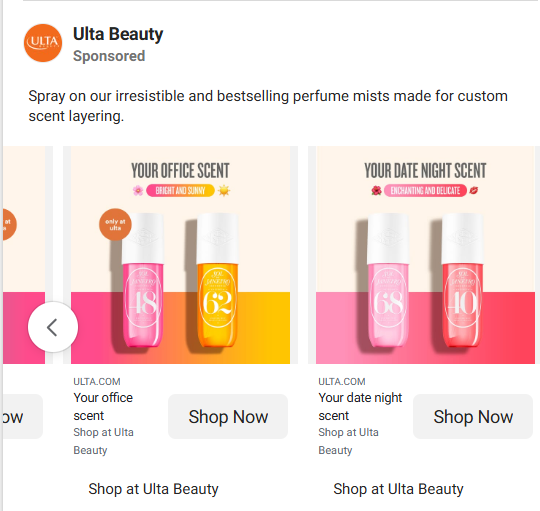
Ulta is one of the most successful beauty companies in the US. And part of that success is because they’ve embraced AI to test and deploy CX tools quickly—reportedly 10× faster than their traditional development routes.
“Not only does this particular low-code solution make rapid experimentation possible, it also offers orchestration capabilities so we can plug different services in and out very quickly,” VP of Digital Innovation Michelle Pacynski told CIO. Below are a few of the tests they ran:
- Personalized content and recommendations
- Real-time engagement with customers
- Targeted messaging campaigns (especially for activation-to-decision)
- Dynamic messaging based on behavioral insights
The results speak for themselves. According to PYMNTS, Ulta’s AI-powered personalization drove a 95% customer repurchase rate.
The Ulta team saw major benefits from rapid creation, testing and deployment on the UX side. Copley is this same equivalent on the content side.
Copley + Your Brand = AI-Powered Testing For Supercharged Growth
The top brands of tomorrow will use AI to test and scale fast today.
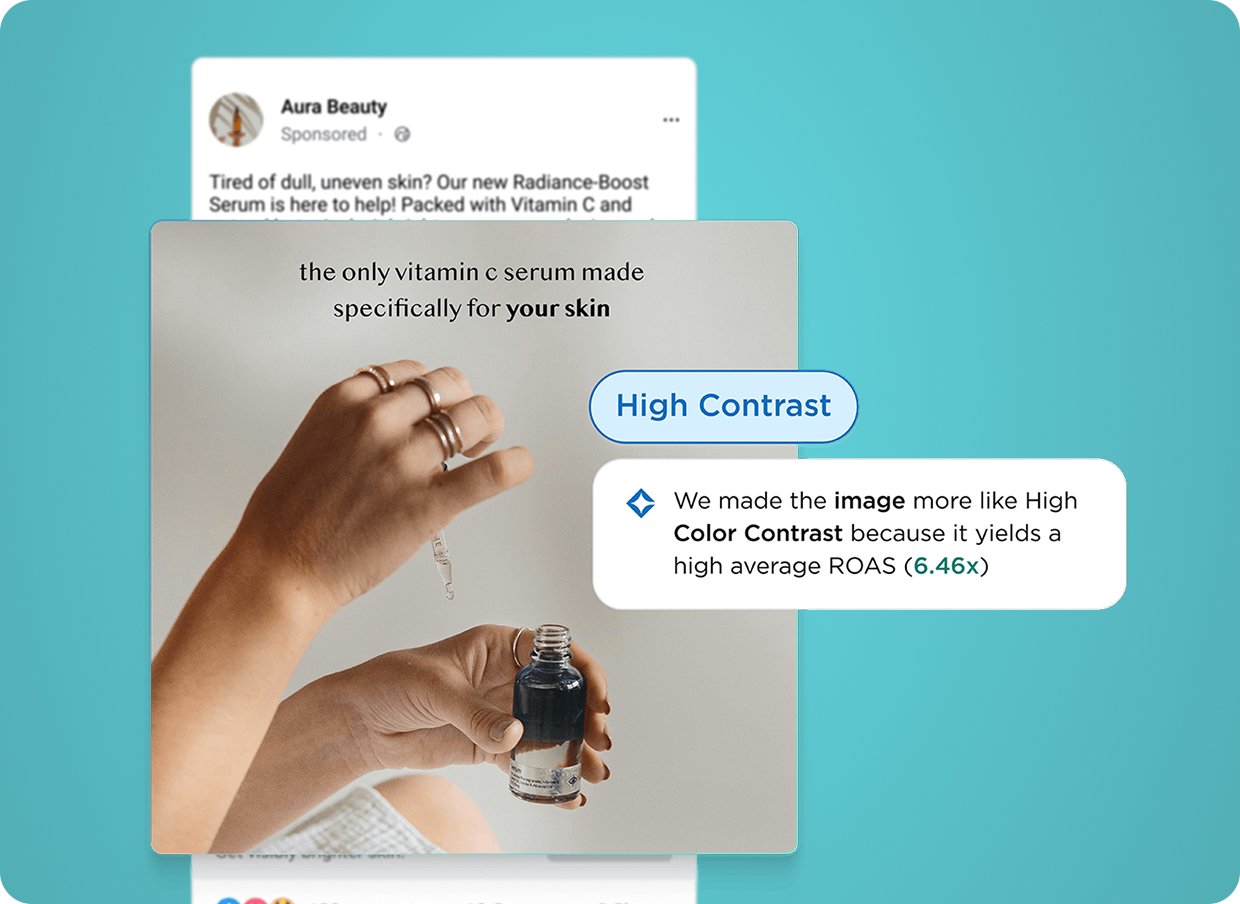
Copley lets DTC marketers test and deploy new content faster than ever by using AI to create new winning variations based on your previous top performers.
When you increase your testing speed, you increase your competitive advantage:

Here’s How To Measure And Improve Your Testing Velocity
Hopefully I’ve convinced you that fast testing is no longer an option. Need help convincing your CMO to invest in an AI-powered testing tool? Or ready to invest in the right tools (hint..Copley) but want performance benchmarks in place?
Here are some KPIs you can use to measure for success:
| Metric | What to measure | Why it matters |
| Test Cycle Time | Time from idea/concept → live test → result in hand | Shrinking this means you’re increasing learning velocity |
| Number of creative variants per period | How many different ads, messages, visuals you test per week or month | More variants = more chances to discover what works |
| Statistical confidence speed / sample threshold | How long (how much spend / impressions) until you can call a winner reliably | If that takes too long, you’re losing momentum |
| CAC vs creative maturity | Compare acquisition cost when using “first draft” creative vs refined/winner creative | Shows whether your creative process is improving efficiency |
| Paid budget allocated towards testing | What % of budget you put toward tests vs scaling known winners | Without spending on tests, you won’t uncover new winners |
Final Thoughts: AI Has Changed Your Marketing Role, And Now You Need To Adapt
I’ve said it before. The hottest new role in DTC marketing is a Content Orchestrator. And using an AI-powered testing content process like this is how you become one. You once were judged on having a few successful campaigns. Now? You’re going to be judged on:
- how many experiments you ran
- how quickly you’re able to pivot
- how your strategy adapts and evolves with trends
Here’s the thing. Those silos you’re living in (different ownership of Meta, TikTok, newsletters, etc.) aren’t doing you any favors. In fact, I’d argue they’re a detriment to your success.
In order to move fast and win, you really need to shift towards a cross-channel testing strategy. Use what you learn in social on owned channels (email, website, SMS) and sync messaging. If a message is working in Reels, test it in your email header or homepage banner.
Create a culture that values speed and failure that you can quickly learn from. That’s how your DTC brand (and your career) wins in the AI era.See How You Can Win With Copley.
See How You Can Win With Copley.